In the heart of the Urdaibai Biosphere Reserve, our vineyards are much more than rows of vines: they are small ecosystems teeming with life. Each plot holds a unique balance between the soil, the climate, and the surrounding vegetation. This plant biodiversity is what silently shapes—year after year—the aromatic complexity of our txakolis.
The Itsasmendi vineyards are a mosaic of colors, textures, and aromas. Grasses, legumes, nightshades, roses, cruciferous plants, cucurbits, and many other botanical families coexist here. This plant diversity not only protects the soil and fosters microbial life but also influences the sensory character of our wines, contributing subtle and expressive nuances.
- The aromatic landscape of Urdaibai is reflected in the glass:
- The floral notes reveal white flowers such as orange blossom, iris, and linden, accompanied by hints of yellow and blue flowers that evoke meadows in spring.
- The herbaceous notes unfold, with aromas of fennel, sage, lemon verbena, and chamomile, reminiscent of paths winding through vineyards and the freshness of freshly cut grass.
The balsamic notes bring forth sensations of eucalyptus, mint, sandalwood, and resin, adding depth and freshness, evoking the Atlantic forest that embraces our vineyards.
Every plant, every flower, and every blade of grass that grows alongside the vines contributes, invisibly, to the olfactory identity of Itsasmendi. Our wines are, in essence, an interpretation of the surrounding landscape: a liquid portrait of the living nature of Urdaibai.
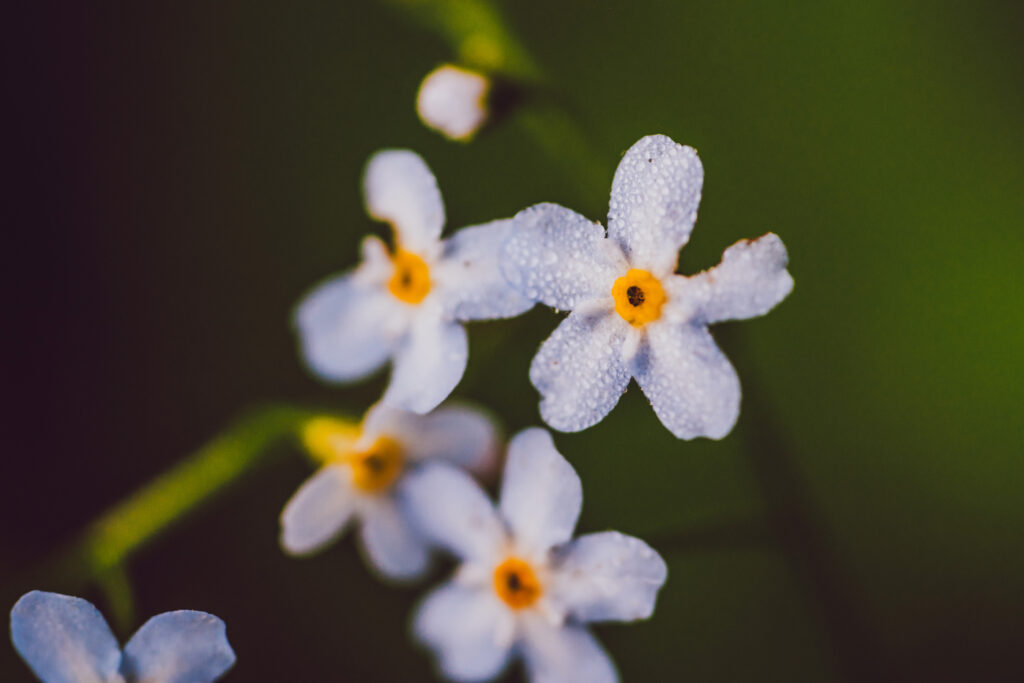
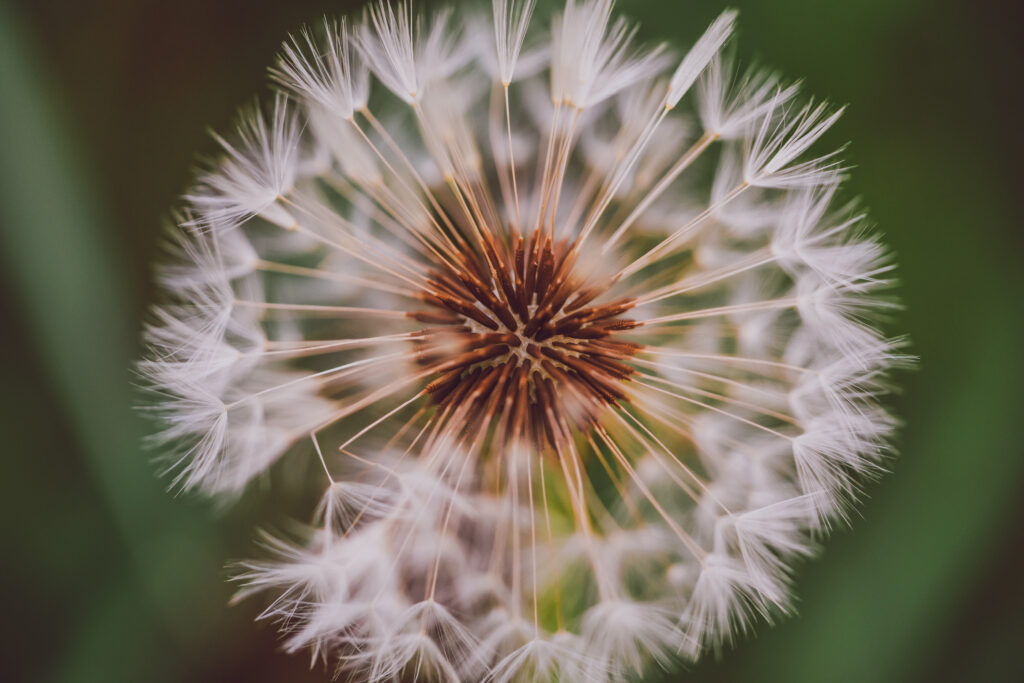
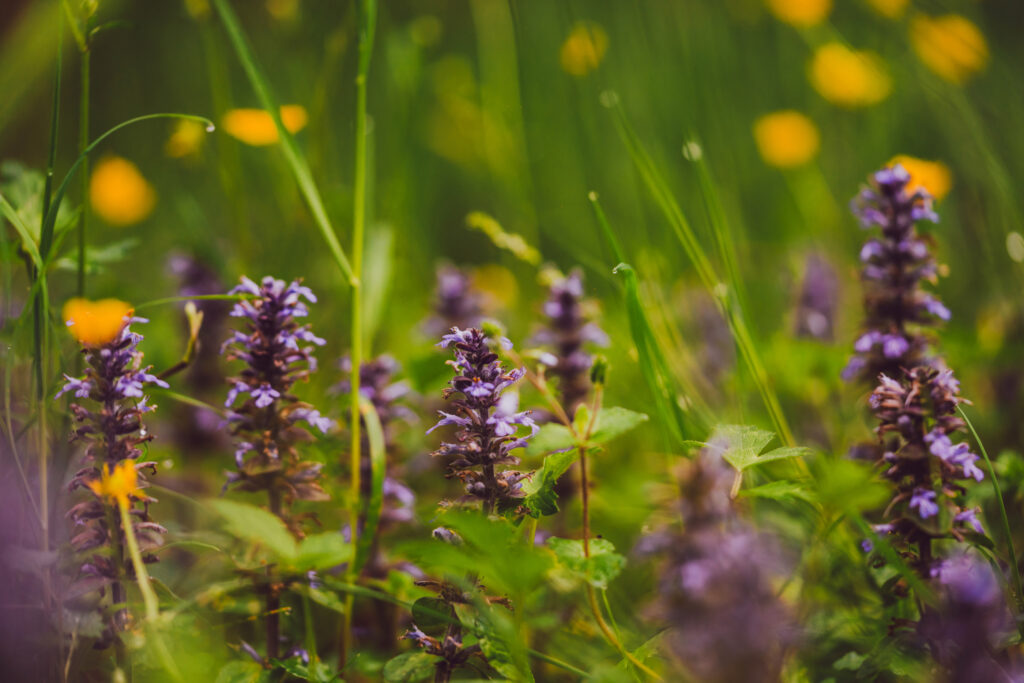
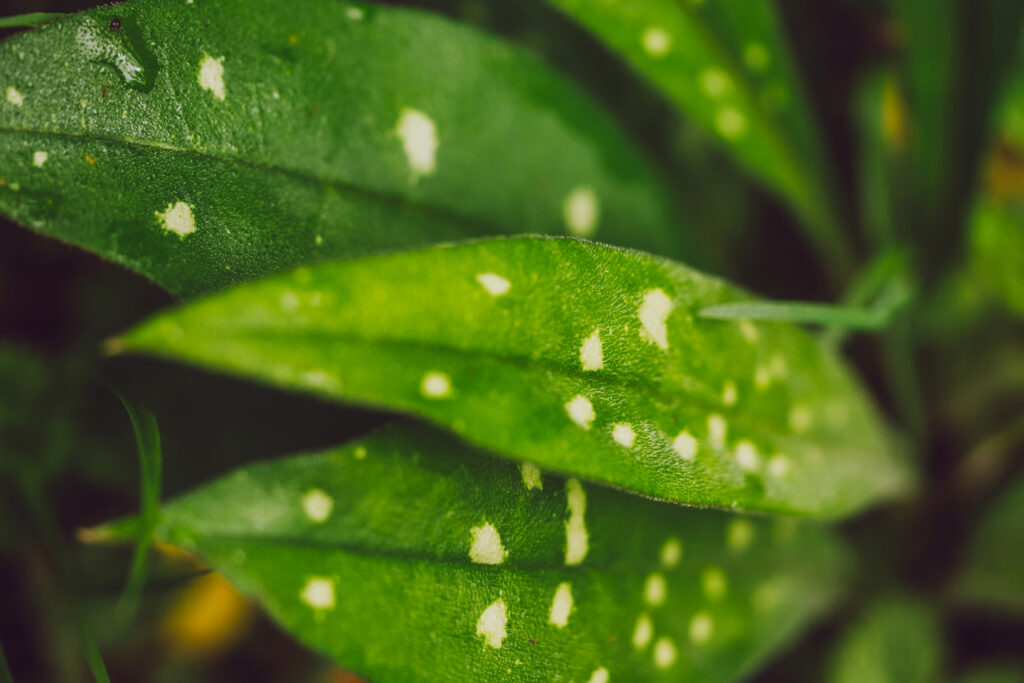
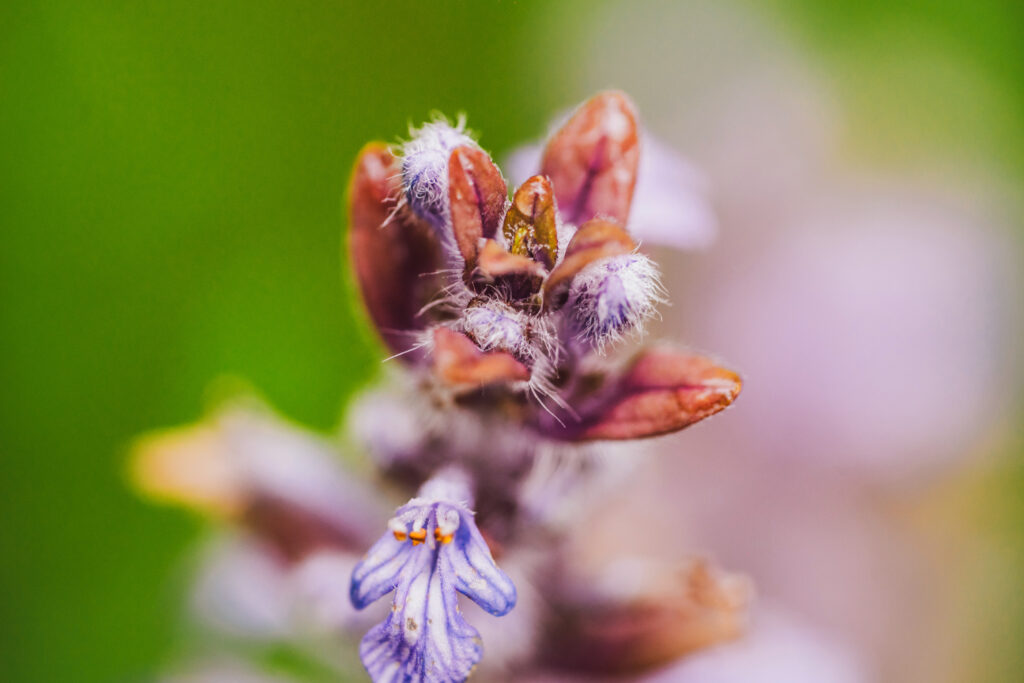
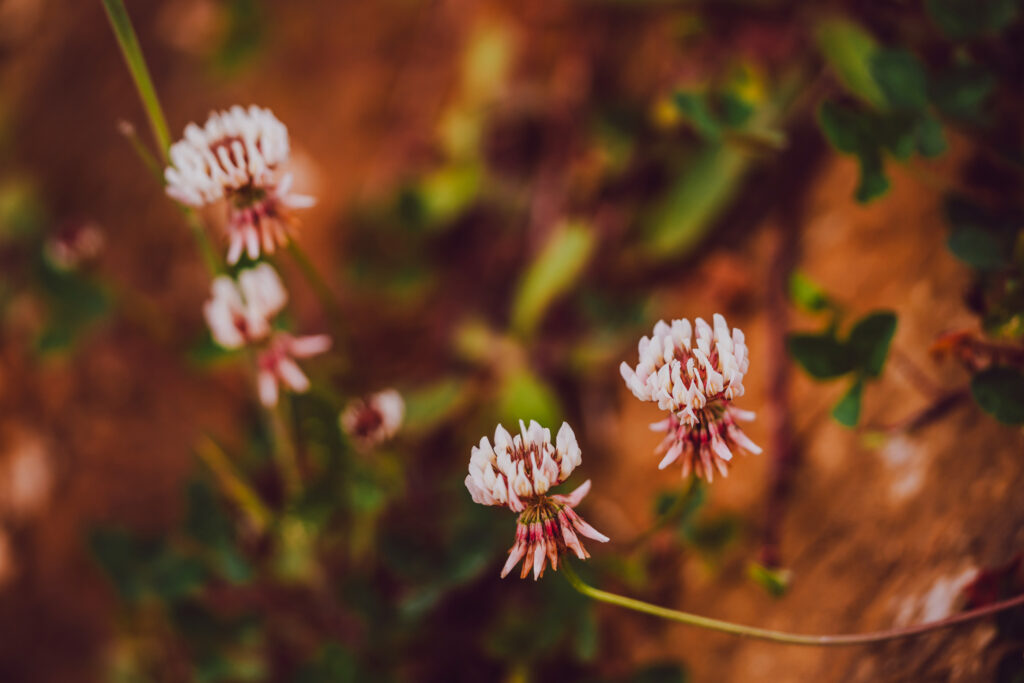
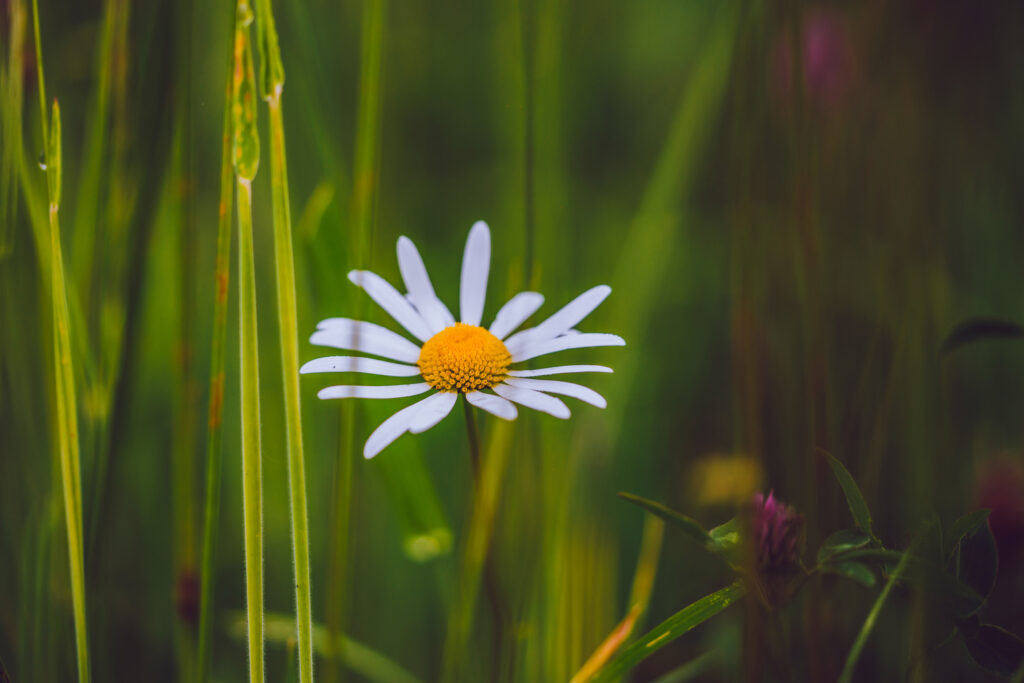
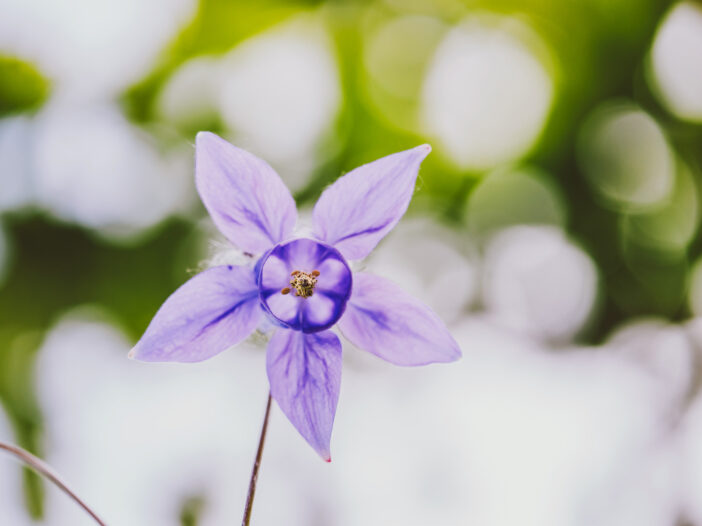
Here are some images of the most common species that live among our vineyards, silent witnesses to the constant dialogue between biodiversity and wine.